
You’ve just been handed the keys to your new office. On paper, it’s finished. In reality, you’re standing in a large, empty space with basic lighting, bare floors, and not much else.
You know what you need, and you probably have a move-in date in mind. What’s less clear is where to start, how long it will take, and what it will likely cost.
A Cat A-to-Cat B conversion turns that empty shell into a workplace that actually works. In this guide, we’ll walk you through what’s involved, what to expect, and how to get started.
Thinking about a Cat A to Cat B conversion? Speak to the team at HQ Renovations for clear, practical advice backed by decades of real-world experience.
Understanding Cat A and Cat B Fit-Outs
Before planning a Cat A to Cat B conversion, it’s worth being clear on what these terms actually mean and how they impact your business.
What is a Category A Fit-Out?
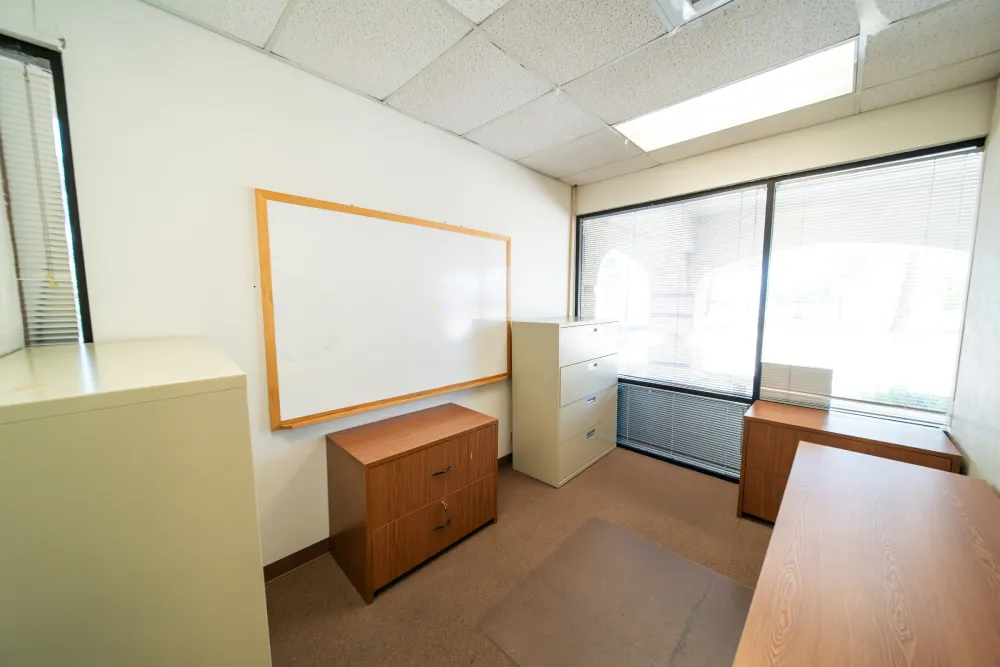
A Cat A fit-out is essentially a clean, compliant shell.
It will typically include raised floors, suspended ceilings, basic lighting, heating and cooling, and fire safety systems. Walls and common areas are finished, but the space is otherwise open and neutral.
What is a Category B Fit-Out?
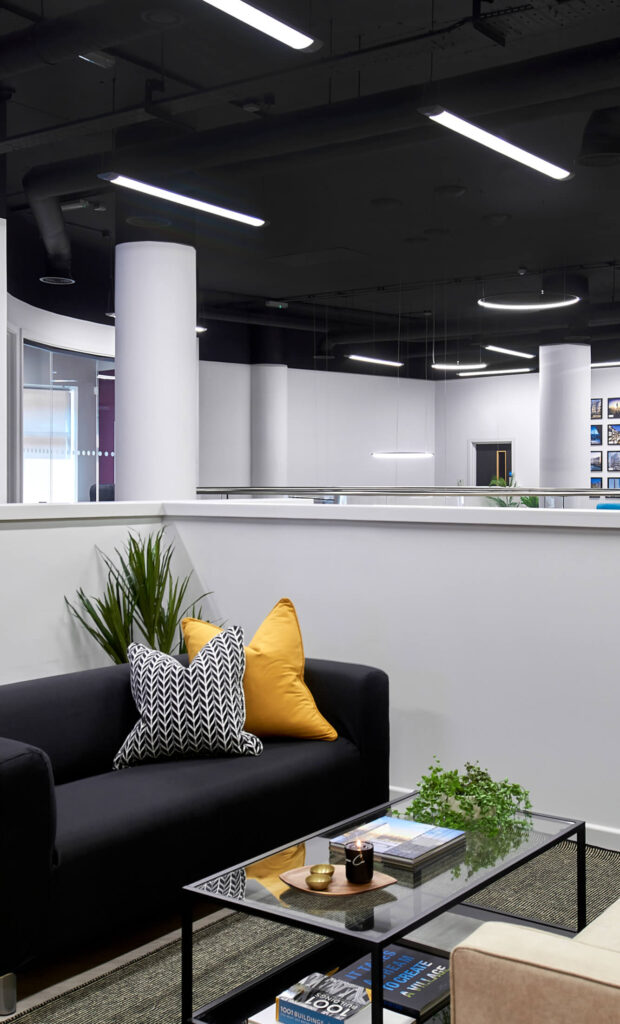
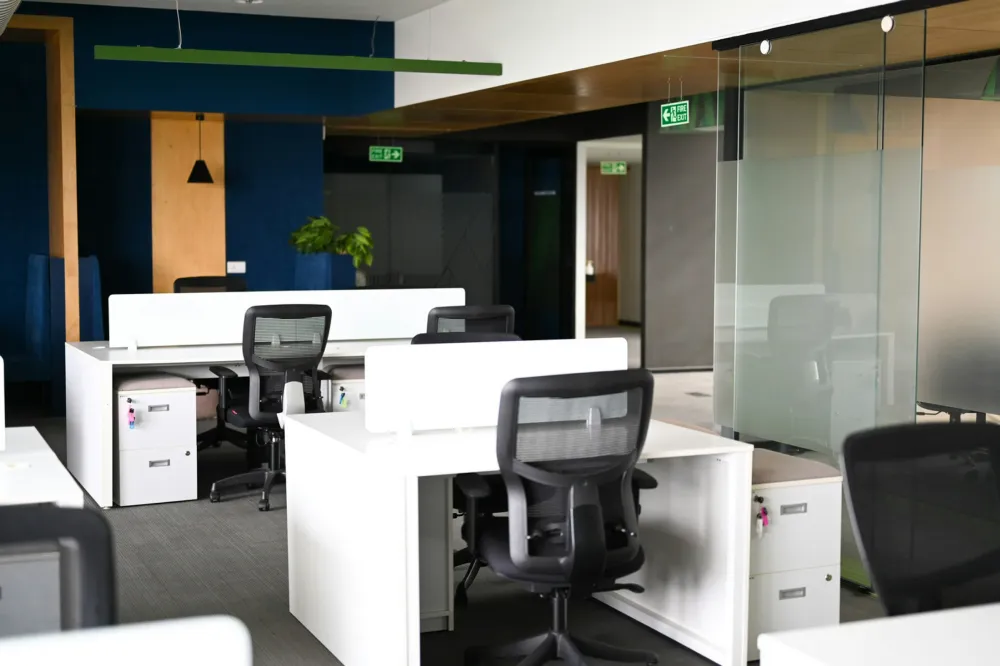
A Cat B fit-out is the stage where an office is shaped around how your business actually works.
Rather than focusing on the building itself, this part of the process is about creating a space that supports your team, your workflow, and your day-to-day operations. It’s what turns a compliant but empty floor into a workplace that feels purposeful, usable, and ready to move into.
What’s Included in a Typical Cat A to Cat B Conversion?
While every project is different, most Cat A to Cat B conversions follow a similar pattern and will often include:
Space Planning and Layout Design
This is where the overall layout is developed, deciding where desks, meeting rooms, breakout spaces, and support areas should go. Good space planning may help improve workflow, make better use of the floorplate, and avoid costly changes later.
Partitions, Meeting Rooms and Private Spaces
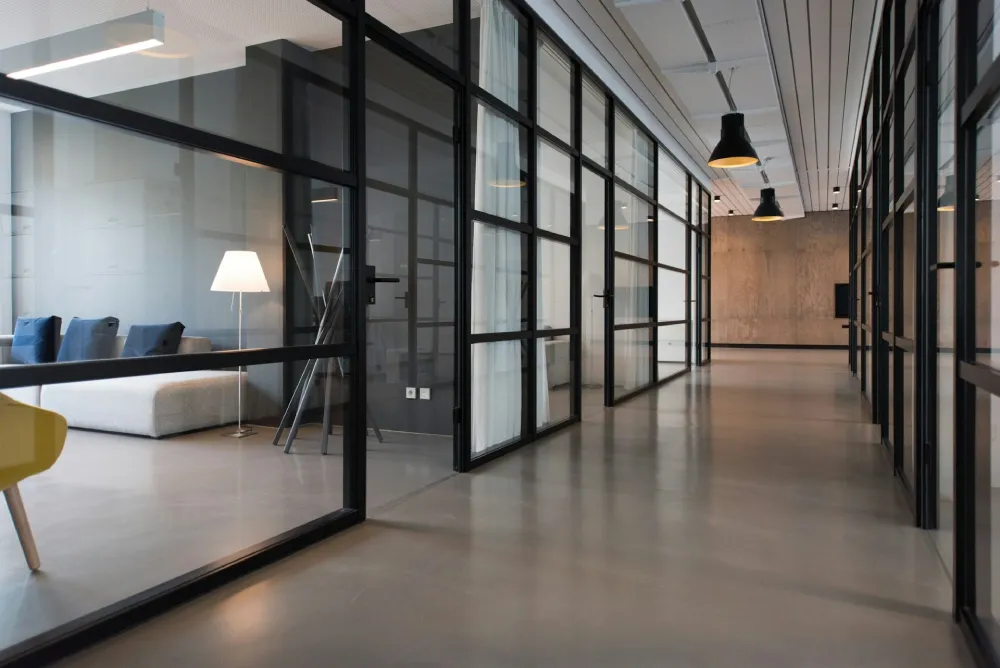
Most offices need a mix of open and enclosed areas. This stage usually includes building meeting rooms, private offices, phone booths, or quiet spaces using glazed or solid partitions.
Electrical, Data and Lighting
Power, data, and lighting are reworked to suit the new layout. This typically includes desk power, meeting room AV points, improved lighting in work areas, and emergency lighting where required.
Floors, Ceilings and Finishes
Floor finishes, feature ceilings, and decorative elements are added to make the space more durable, comfortable, and visually appealing, rather than just functional.
Kitchens, Breakout Areas and Storage
Staff facilities are a key part of any Cat B fit-out. This usually includes a kitchen or tea point, informal breakout space, and practical storage areas.
Branding and Final Details
Finally, the space is tailored to your business with signage, feature walls, and brand colours, helping the office feel like a natural extension of your company rather than a generic space.
How Long Does a Cat A to Cat B Conversion Typically Take?
The timescale for a Cat A to Cat B conversion depends on the size and complexity of the project.
As a rough guide, many fit-outs take around 6 to 10 weeks on site, with larger or more detailed projects taking 10 to 16 weeks or more. You should also allow time before this for design, costing, and landlord approvals.
At HQ Renovations, we provide a clear programme from the outset and manage the process carefully to help keep your project running smoothly and avoid unnecessary delays.
How Much Does a Cat A to Cat B Fit-Out Cost?
The cost of a Cat A to Cat B conversion varies depending on the size of the space, the layout, and the level of finish you choose. As a broad guide, the average cost of a fit-out in London is £175 per square foot, with more bespoke spaces sitting at around £250 per square foot or more.
It’s also worth factoring in costs beyond the build itself, such as professional fees, IT and furniture, and any landlord or building management charges.
At HQ Renovations, we focus on setting clear, realistic budgets early, so you know where you stand and can make informed decisions from the start.
The key Decisions to get Right Before you Start
A successful Cat A to Cat B fit-out is often decided before work even begins. Thinking through a few key areas early may help avoid delays and unexpected costs later.
- Understanding Your Lease and Landlord Requirements
Most buildings have rules and approval processes that may affect what you can do in the space. It’s important to factor these in from the start.
- Setting a Realistic Budget and Timeline
Your budget and move-in date will shape many design and specification choices, so it helps to be clear and realistic early on.
- Compliance and Building Regulations
Your fit-out will need to meet current regulations and building management requirements, which should be allowed for in both time and cost.
- Planning Around Business Operations
If you’re working to a fixed deadline or need to limit disruption, this should influence how the project is planned and delivered.
At HQ Renovations, we help clients work through each of these points to set the project up for a smoother, more predictable build.
How to get Started With Your Office Fit-Out
Before any designs are drawn up or budgets are finalised, it’s often helpful to have an experienced team review the space, your lease terms, and discuss how you want the office to work.
At HQ Renovations, we take a straightforward, practical approach: listen first, advise second, and help you shape a clear plan before anything is committed.
If you’re considering a Cat A to Cat B conversion, a quick discussion is often the easiest way to turn an empty space into a workplace that genuinely works for your business.